
From Nane Nane to Katavi: Women’s Enterprises Reach New Markets
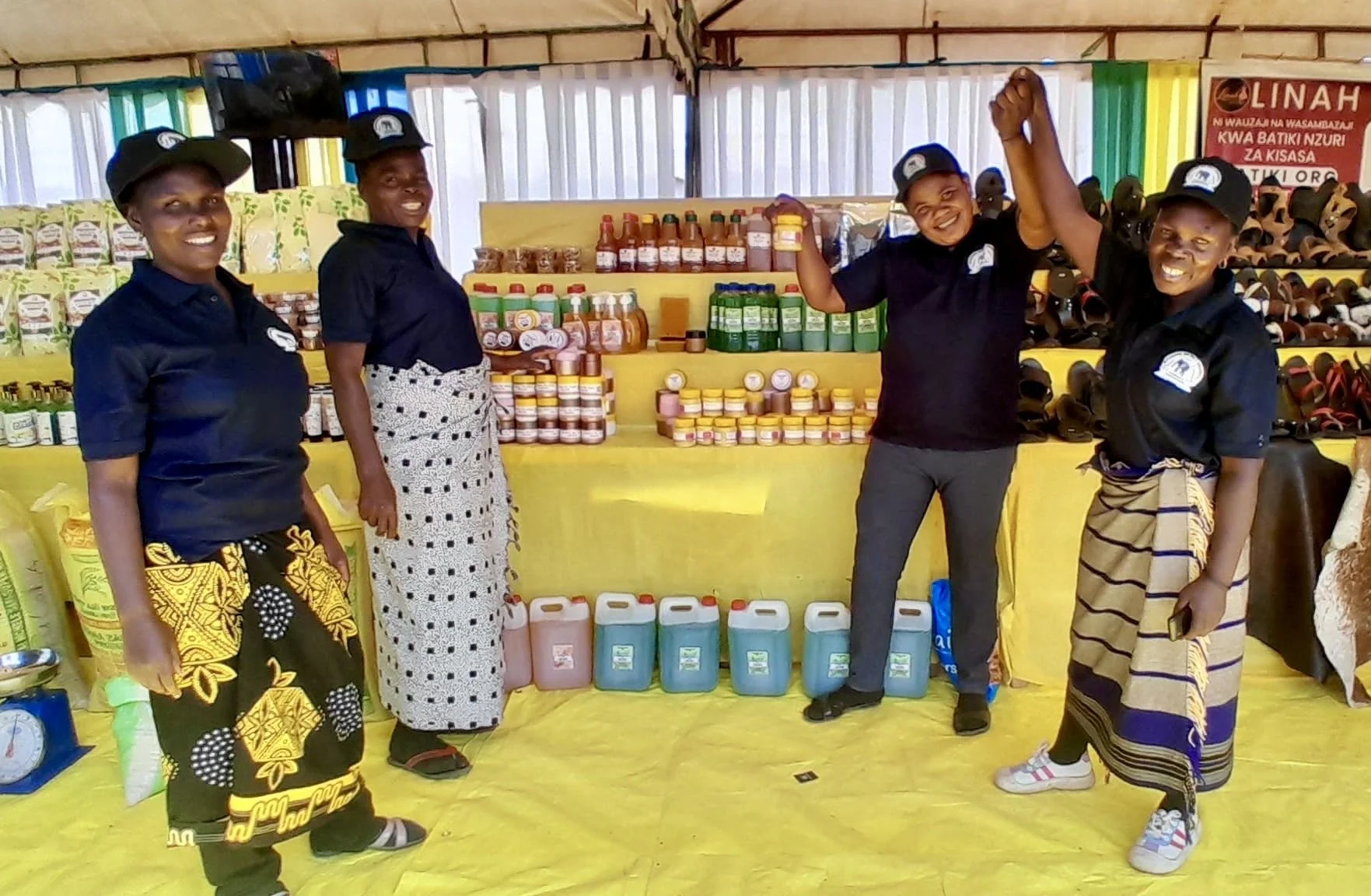
Members from the Kizi, Kibaoni, Mirumba, and Sitalike Women’s Groups showcase their honey and wax skincare at Nane Nane in Mbeya
Every August, Tanzania celebrates Nane Nane, bringing farmers, producers, businesses and government together at agricultural exhibitions across the country. This year, women from the communities we work with around the Rukwa–Katavi landscape were among them.
For some of the women representing their groups, travelling to the Nane Nane exhibition in Mbeya meant leaving their village and ward for the first time.
Supported by our Beekeeping & Livelihoods Officer, Esther Joseph, and Mpimbwe District Council, the women arrived with products they have been developing through their groups: locally harvested honey alongside natural soaps and body creams made using beeswax, essential oils, and locally available ingredients.
It was a chance to sell, but perhaps more importantly, to see where their products could take them.
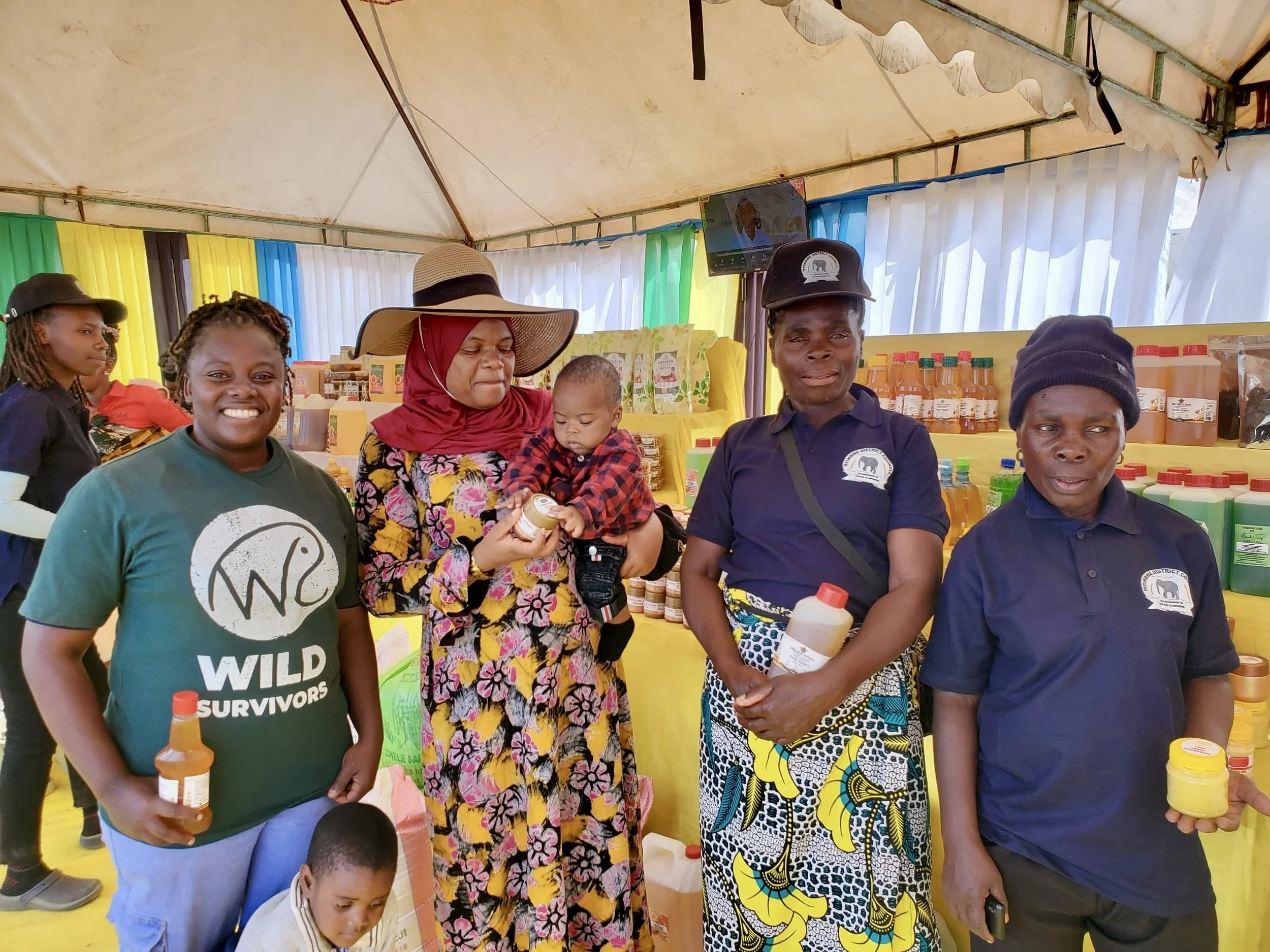
WST’s Esther Joseph supporting the event and women’s group members to host guests at their Nane Nane stand
A very different kind of market
Nane Nane put the women in the middle of one of Tanzania's biggest agricultural events, surrounded by farmers and producers from across the region.
They spoke to visitors about their products and the work behind them, met other producers, and saw how products were being presented and sold beyond their own communities.
Their stand also attracted the attention of government and conservation representatives. Nsimbo District Game Officer Grace and Shigela from TANAPA were among those who stopped to meet the women and learn more about what they were producing.
For groups still developing their businesses, that recognition matters. The challenge is not only learning to keep bees or make good products; it is finding customers, building relationships and understanding where a reliable market might exist.
Within days, one of those relationships led somewhere new.
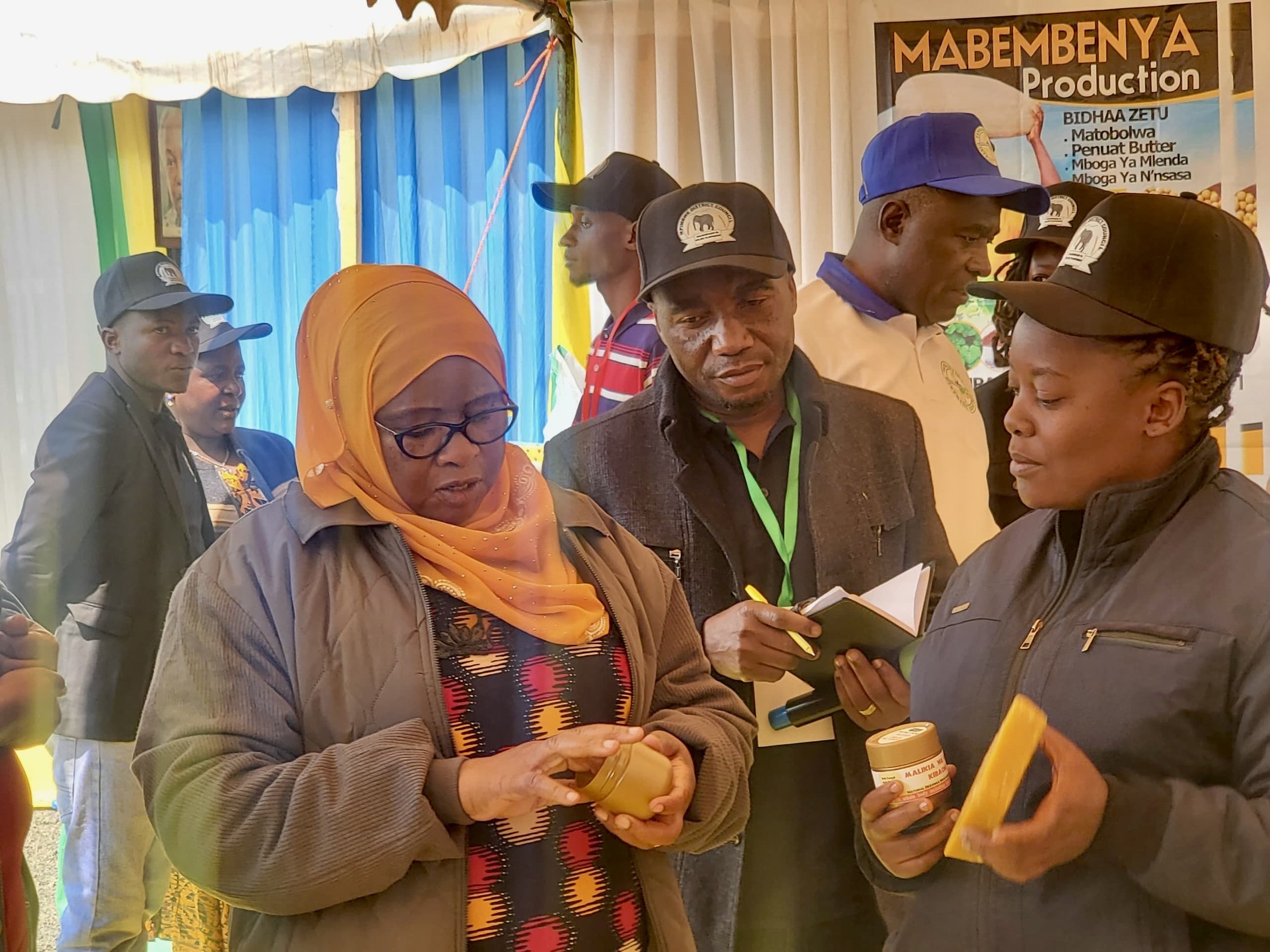
Nane Nane guests from the District testing beeswax skin care balm and learning about the women’s enterprise project with WST’s Esther Joseph
From Mbeya to the Katavi National Park gate
After the exhibition, Esther received a call. A group of tourists would soon be visiting Katavi National Park, and TANAPA invited women from the Situbwike group who’s village borders the northern boundary of the park, to bring their products to the park entrance.
The women organised quickly, prepared their products and labels, and set up a table at the TANAPA gate to meet the visitors.
For the group, it was a new opportunity to sell directly to people travelling to experience Katavi's wildlife.
It also brought together two sides of the same landscape.
The communities around Katavi live with the realities of sharing land with elephants. Crops can be lost overnight, and encounters between people and elephants can be dangerous. Through our work with these communities, beekeeping has become part of a wider approach to reducing conflict: beehive fences protect farms, while honey and beeswax create products that can generate income for women's groups. This alternative income reduces pressure on families who are lost food and cash crops to the elephants.
Tourism exists because these landscapes and their wildlife remain extraordinary places to visit. Creating ways for some of that tourism economy to connect more directly with the communities living alongside wildlife is an important part of making coexistence more meaningful locally.
A jar of honey or a tub of beeswax balm sold at a national park gate may be a small transaction. But behind it sits a much bigger story about where that product came from, who made it, and the elephants those communities live alongside.
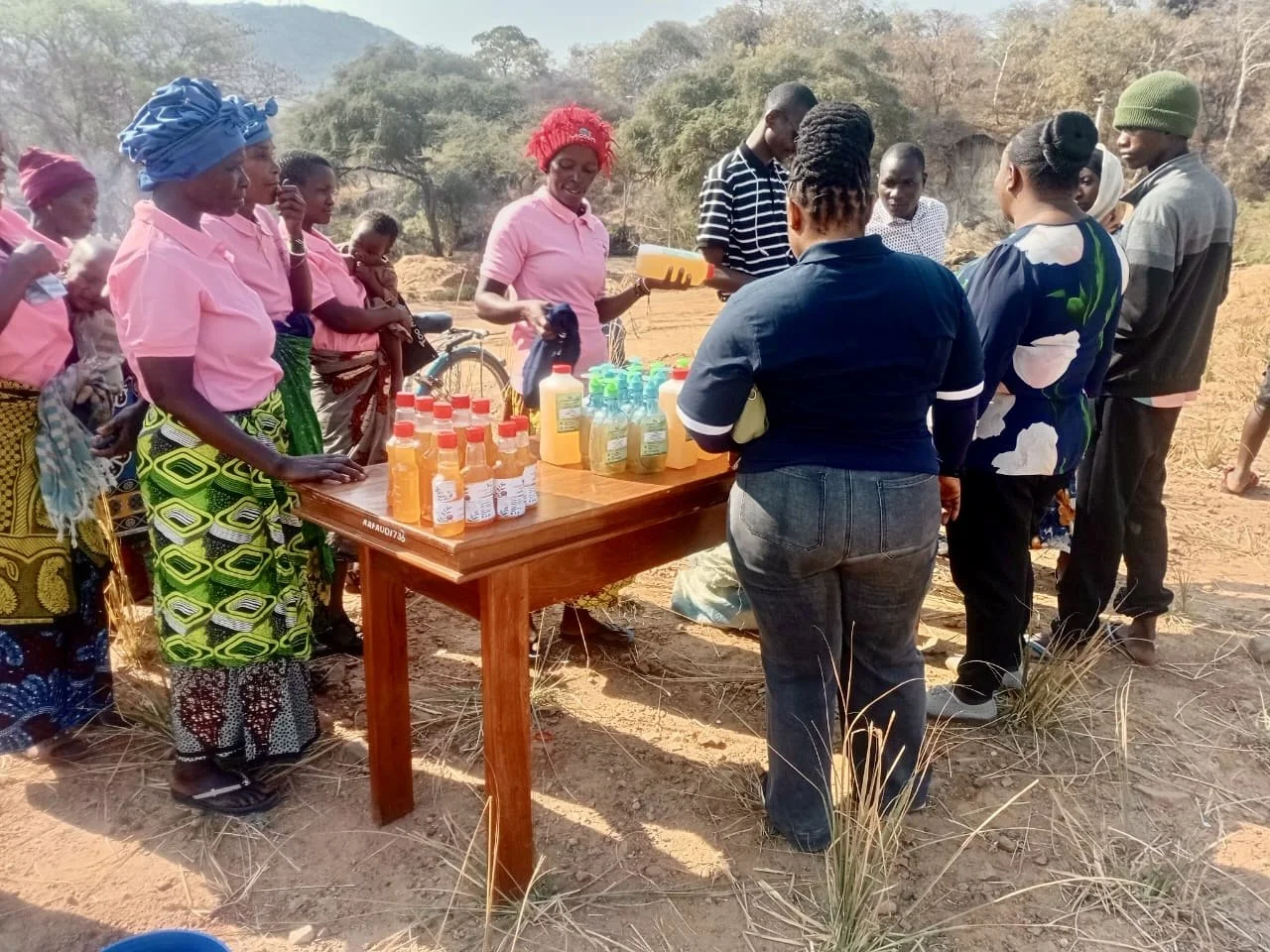
Situbwike Women’s Enterprise group setting up their stand at the gate of Katavi National Park, ready to introduce their elephant coexistence natural products to tourists
Building relationships around the park
There was another important outcome from the week: strengthening the relationship between the women's groups, local government and Katavi National Park.
Human–elephant coexistence cannot sit separately from the institutions managing the wider landscape. Our work across Rukwa–Katavi increasingly brings together farmers, women's groups, Elephant Conservation Ambassadors, village and district government, and protected-area authorities.
Nane Nane gave the women themselves an opportunity to be visible within those relationships, not as beneficiaries of a project, but as producers and businesswomen with something of their own to bring to the table.
There is still plenty to work on. Producing consistently, improving packaging and labelling, understanding pricing, and finding regular rather than occasional buyers are all part of the next stage.
But for women who had travelled beyond their village and ward for the first time, the journey from their communities to Nane Nane, and then onwards to the Katavi National Park gate, opened up a much bigger sense of where their enterprises might go next.
And for us, it reinforced something equally important: supporting coexistence isn't only about keeping elephants out of crops. It is also about helping create opportunities for the people living alongside them to benefit from the landscapes they help sustain.
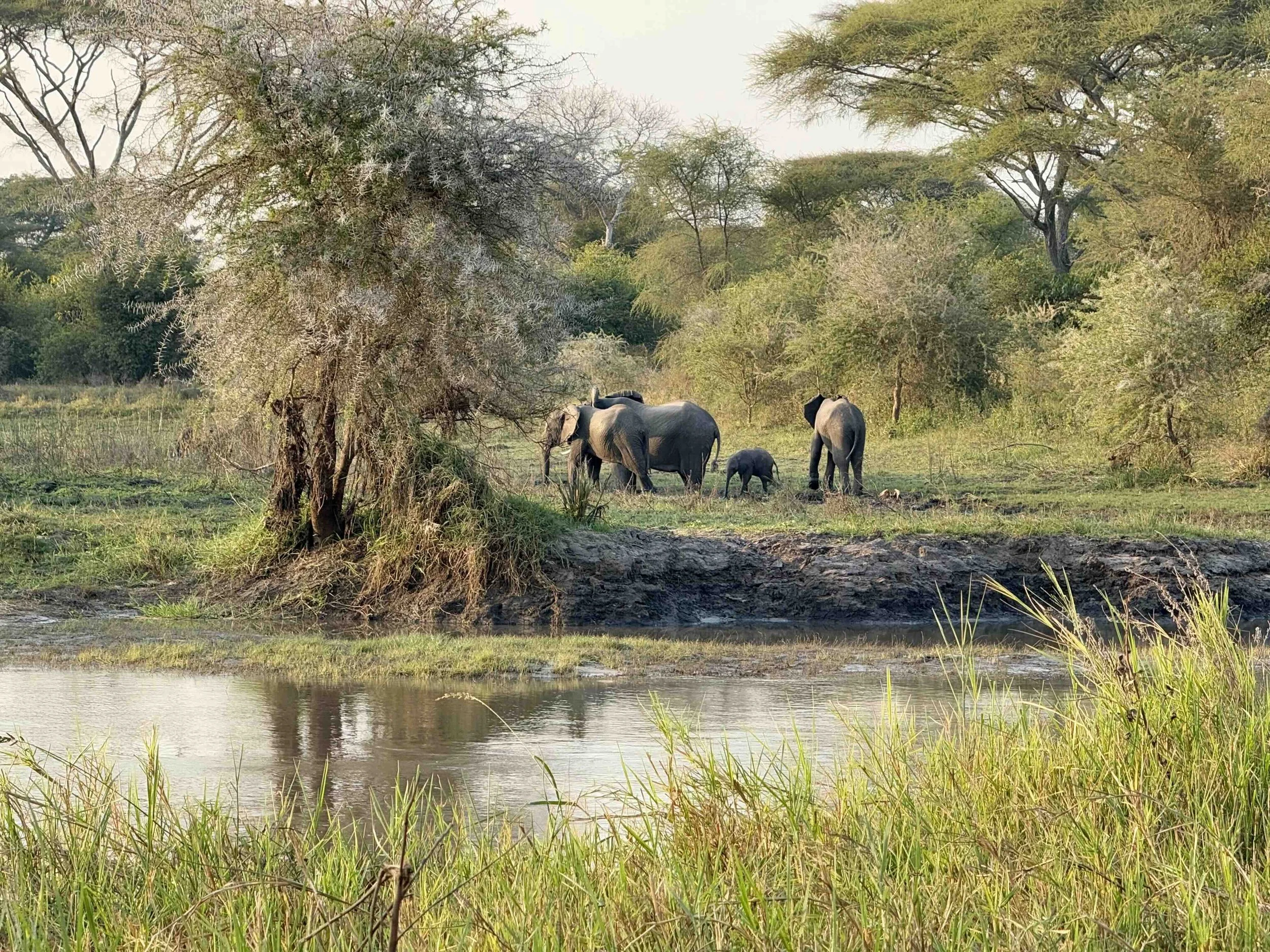
A young elephant family navigate the river bed together in Katavi National Park